Determined to Give Back
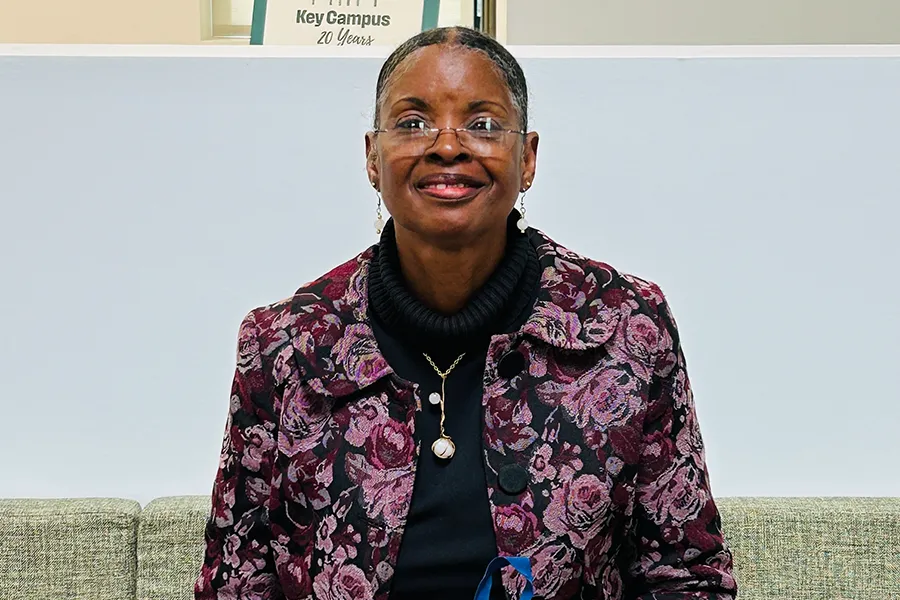
In 1999, Aakhu Ma’a first experienced homelessness. More than two decades later, in 2023, she faced it again. Today, at 68 years old, she is housed, healing, and creating handmade jewelry – determined to give back to the people who helped her regain stability.
Her journey shows how homelessness is rarely caused by one thing. For Aakhu,it was the combination of rising rent, declining health, and limited support.
Not Just One Thing
After living in a studio apartment for three years, she watched the rent steadily increase. She had been on the low-income housing waitlist for a year, but options were scarce. Her landlord told her she would not find anything cheaper. Eventually, she lost the apartment and began living in her car.
Managing high blood pressure and diabetes while unhoused was nearly impossible. Public park restrooms closed at 10 p.m., leaving her without access overnight. To avoid needing the restroom, she would take a bit of table salt – an unsafe but desperate attempt to manage her body in an uncontrollable situation. She believes this is what triggered the stroke.
In the middle of that crisis, she was still searching for housing. She located a unit, but the stroke affected her vision and speech. One day, disoriented, she stumbled into a restroom. When she came out, someone called the police. She returned to her car, carrying the weight of daily stress and humiliation.
“Homelessness was horrible because of how people receive you,” she says. “It’s not one size fits all.”
A Turning Point
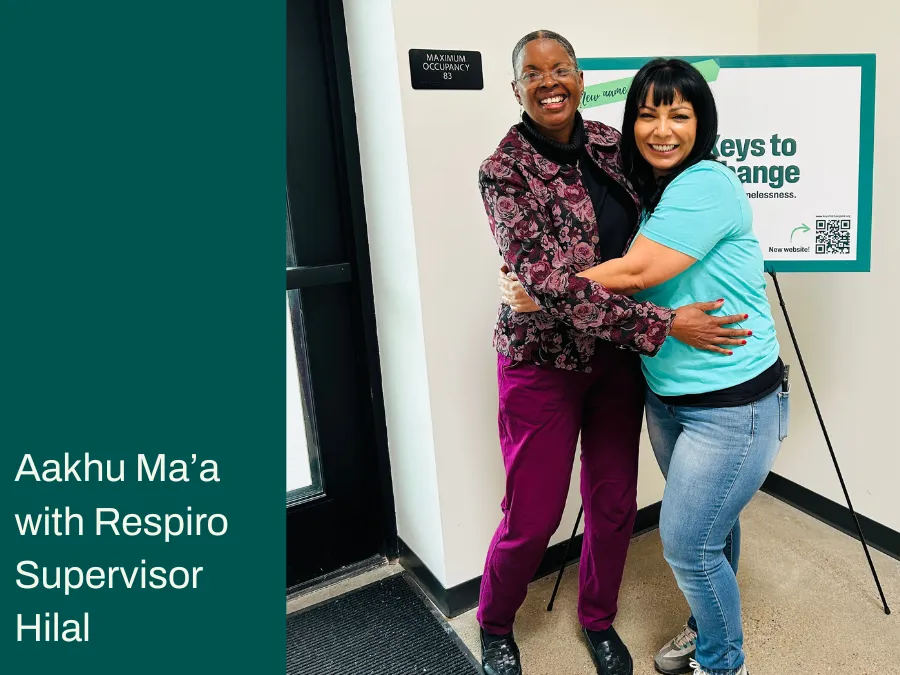
Through Holly and Brittany at CBI, she was connected to Respiro, a shelter that would provide her with stability and a place. “Respiro was an opportunity for people of color,” she explains. Staff members at Respiro helped guide her to the Justa Center, where her long-awaited low-income housing approval finally came through.
“I couldn’t do it on my own,” Aakhu says. “When people help you, you never forget it.”
With support from Keys to Change and its partners, she was also able to address healthcare barriers. For several years, Medicare premiums cost her over $240 per month – an enormous burden while living on retirement SSI. With assistance from Hilal, she transitioned to Medicaid, eliminating that expense and allowing her to focus on her health.
A Life Rebuilt
Since securing housing, stability has returned in meaningful ways. She is sleeping more, eating better, and managing her medical needs. “Life has gone back to being normal,” she says. The peace of having a safe place to rest has allowed her body and mind to recover.
Before her later years, Aakhu built a life centered on work and service. She earned a bachelor’s degree in home economics. She was also a teacher, a CNA, and worked at The Salvation Army. At one time, she was the first in her family to achieve milestones such as homeownership.
Family relationships, however, were complicated. After years of navigating dysfunction, she made the difficult decision to step away. She has not been connected with her family in ten years. The loss was painful, but it reinforced her belief that stability must come from within.
As a single woman on the streets, she kept to herself and spent time at the library. As a diabetic without food stamps, she carefully used her SSI to buy appropriate groceries. When possible, she selected fresh produce from St. Vincent de Paul, since she could not always eat prepared meals due to dietary restrictions.
Tokens of Gratitude
Today, Aakhu focuses on gratitude and purpose. A woman of faith, she believes love must come from the heart. She does not seek pity – only understanding and compassion.
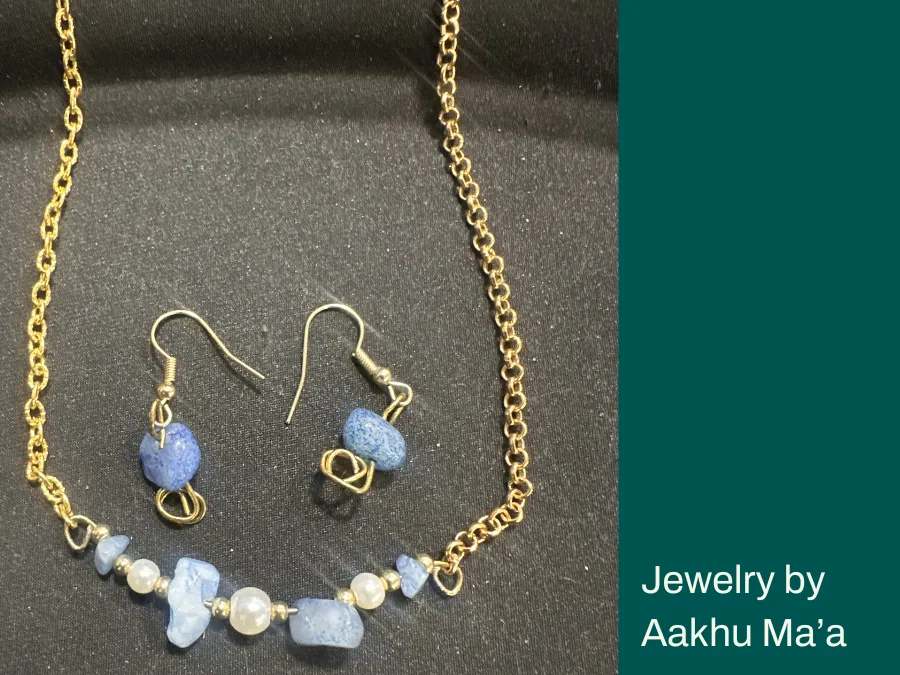
She now creates handmade jewelry and distributes it freely. For years, she says, she had nothing to give. Now, her jewelry represents gratitude. “I want to take care of the people that take care of the people,” she explains.
She hopes to continue growing her ministry and volunteering in the community. Despite nerve damage from her stroke and ongoing health challenges, her spirit remains steady.
Tokens of Wisdom
When asked what she would say to someone experiencing homelessness, her advice is simple and direct: Don’t give up. Reach out to professionals in community outreach. Keep yourself and your surroundings clean if possible. Be respectful. Follow the rules. Stay connected to your sense of self. Be grateful for kindness received. Have humility.
Aakhu’s story is a reminder that homelessness is not a personal failure. It is often the intersection of rising costs, health crises, and limited support systems. With culturally responsive services and sustained assistance, stability is possible.
Today, that stability looks like rest, recovery, and handmade jewelry given in gratitude – small but powerful symbols of a life rebuilt.